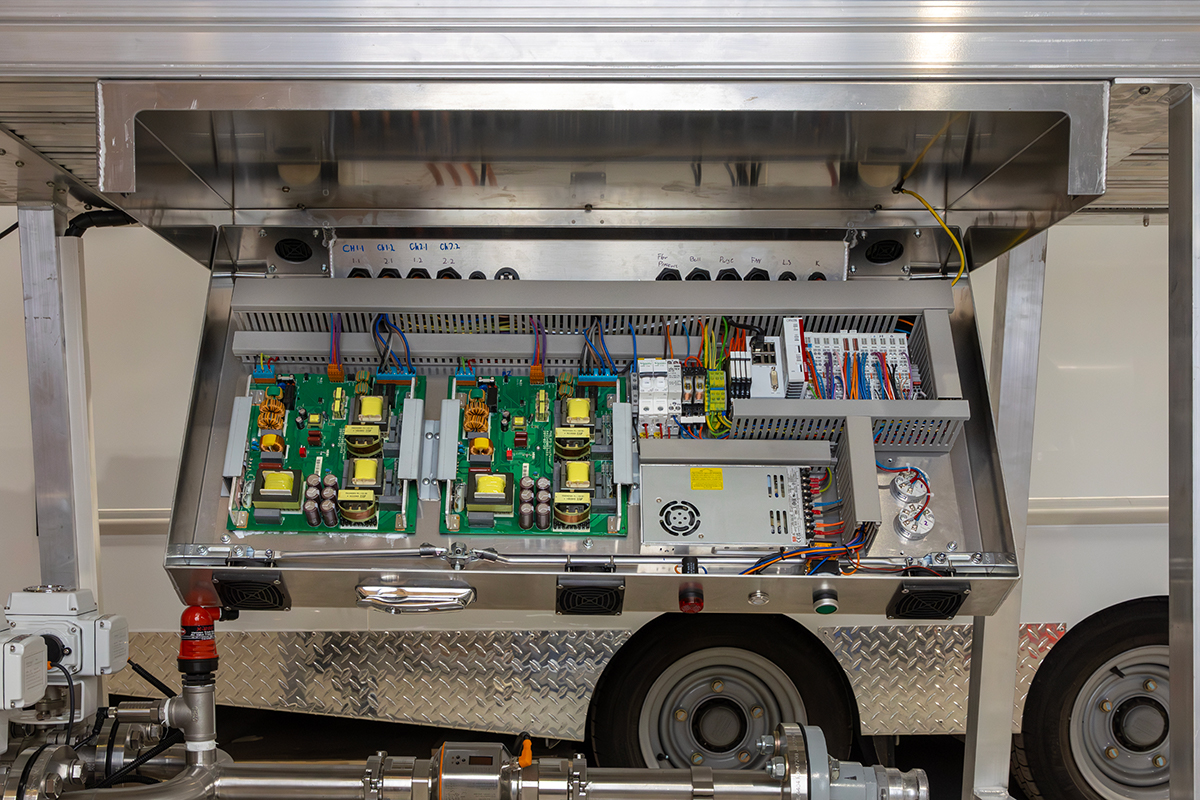
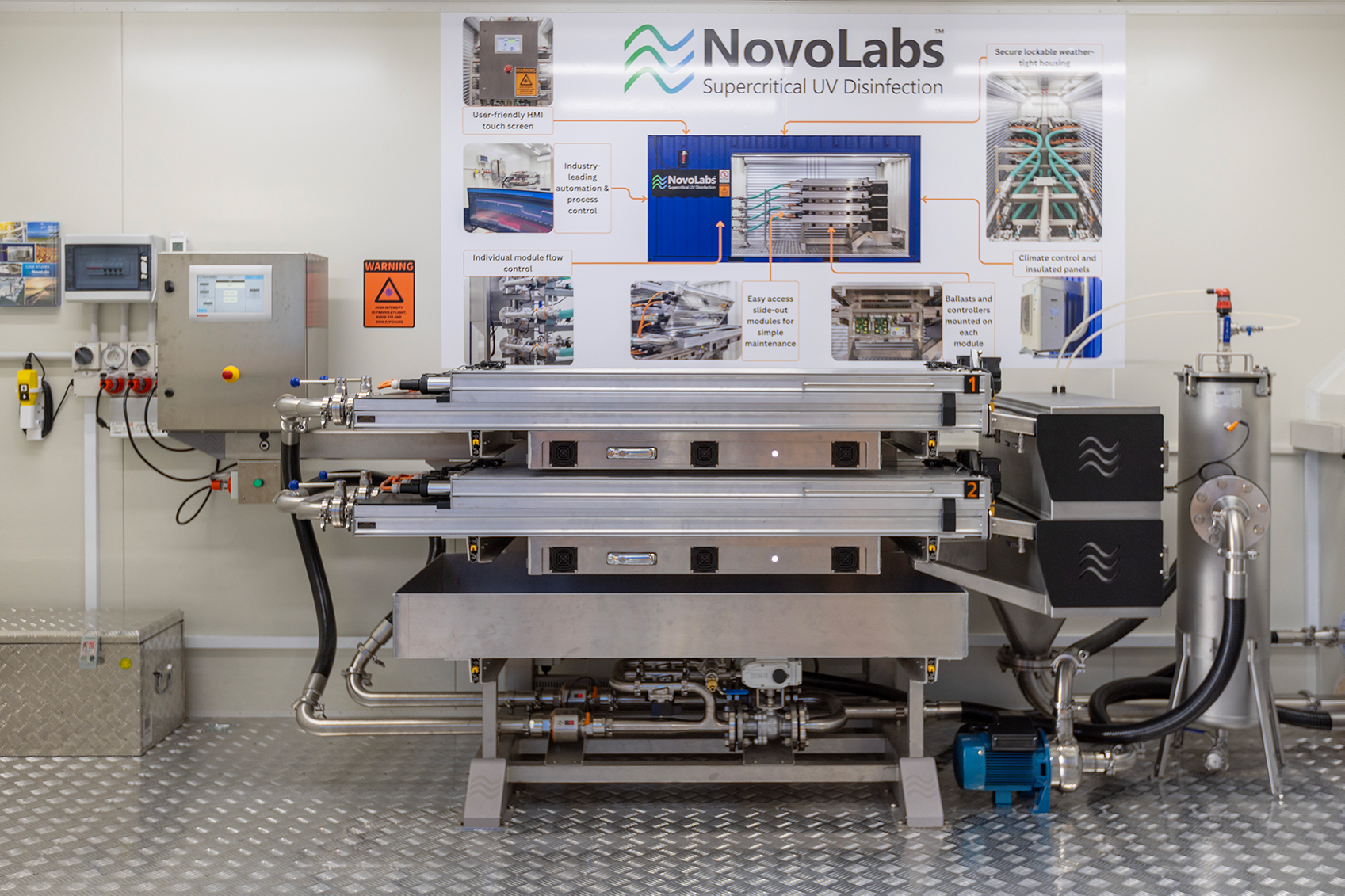
In food processing wastewater with an ultraviolet transmittance below 1%, the Supercritical UV™ disinfection system removed an average of 99.996% of enterococci, a 4.4 log reduction.

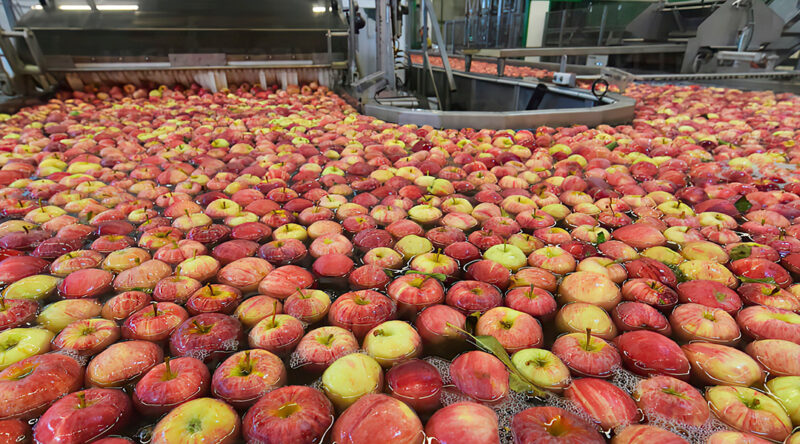
A large food processing plant contributing the most wastewater to the local council trade waste scheme was required to reduce their enterococci concentration under a new regional trade waste consent. The plant carries out onsite treatment prior to discharge, consisting of milli-screening, polymer and lime dosing, and clarification.
The plant's wastewater presented multiple treatment constraints. Composting of separated solids meant metal coagulants such as alum and ferric were ruled out as they would prevent the solids from being biodegradable. Chlorine and ozone disinfection were also unsuitable due to the high organic content of the wastewater.
Ultraviolet disinfection was considered, but with UVT typically below 1% and TSS up to 400 mg/L, conventional submerged lamp systems were deemed unviable. NovoLabs™ was recommended by a third-party supplier and an onsite trial was commissioned.
The Supercritical UV™ system achieved an average of 99.996%, or 4.4 LRV, removal of enterococci from effluent with a UVT of less than 1%. Based on these results, the plant purchased a full-scale Supercritical UV™ system for their processing facility.