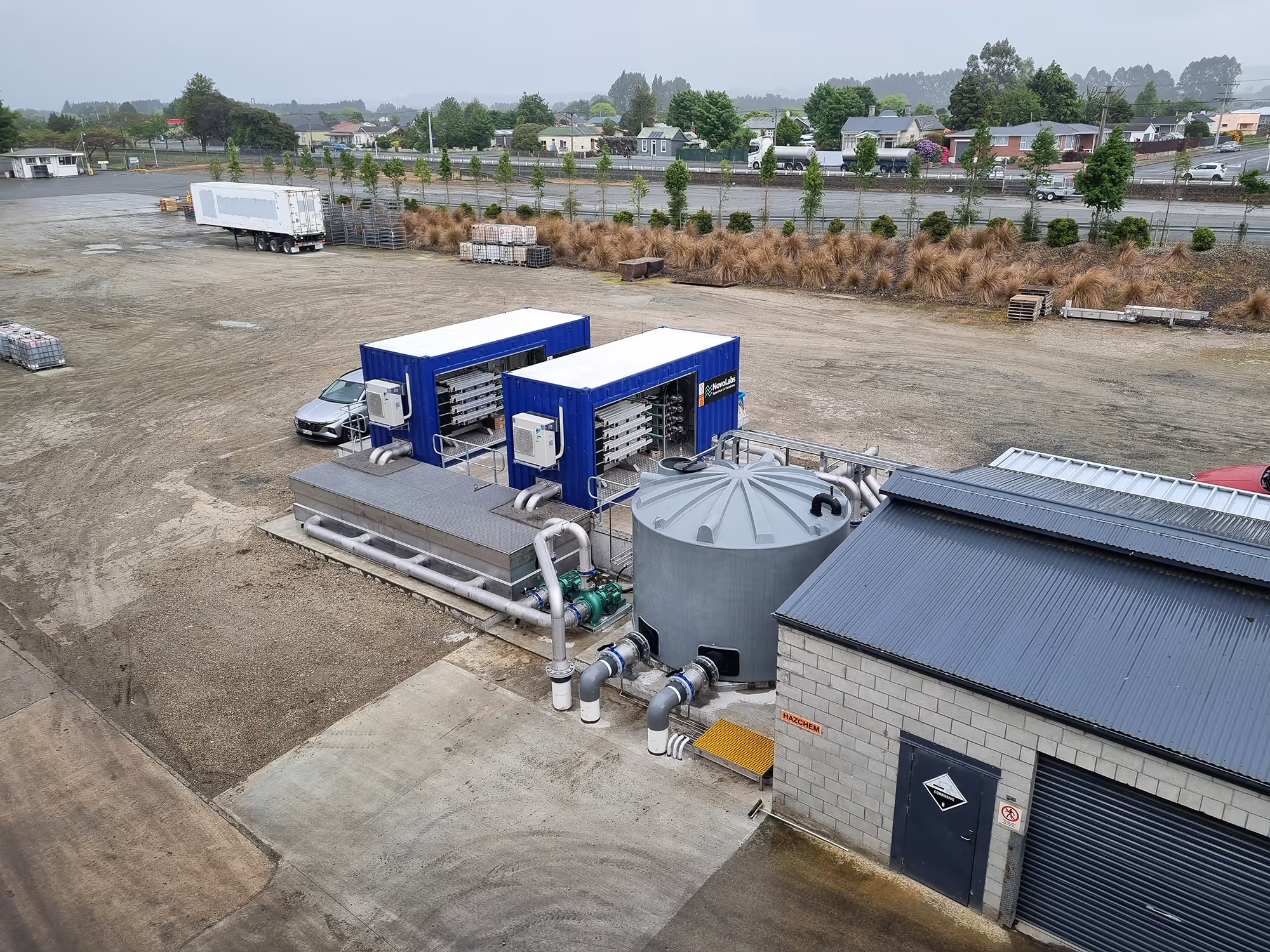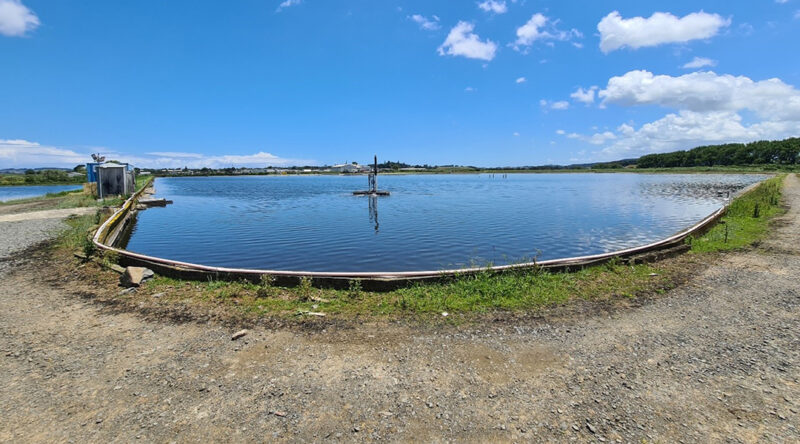
Food and dairy sites have two liquids that resist UV for the same reason: colour and solids stop light dead. In effluent it's fats, proteins and suspended solids. In process streams, simple syrups, liquid sugar, brines, concentrates, it's the product itself.
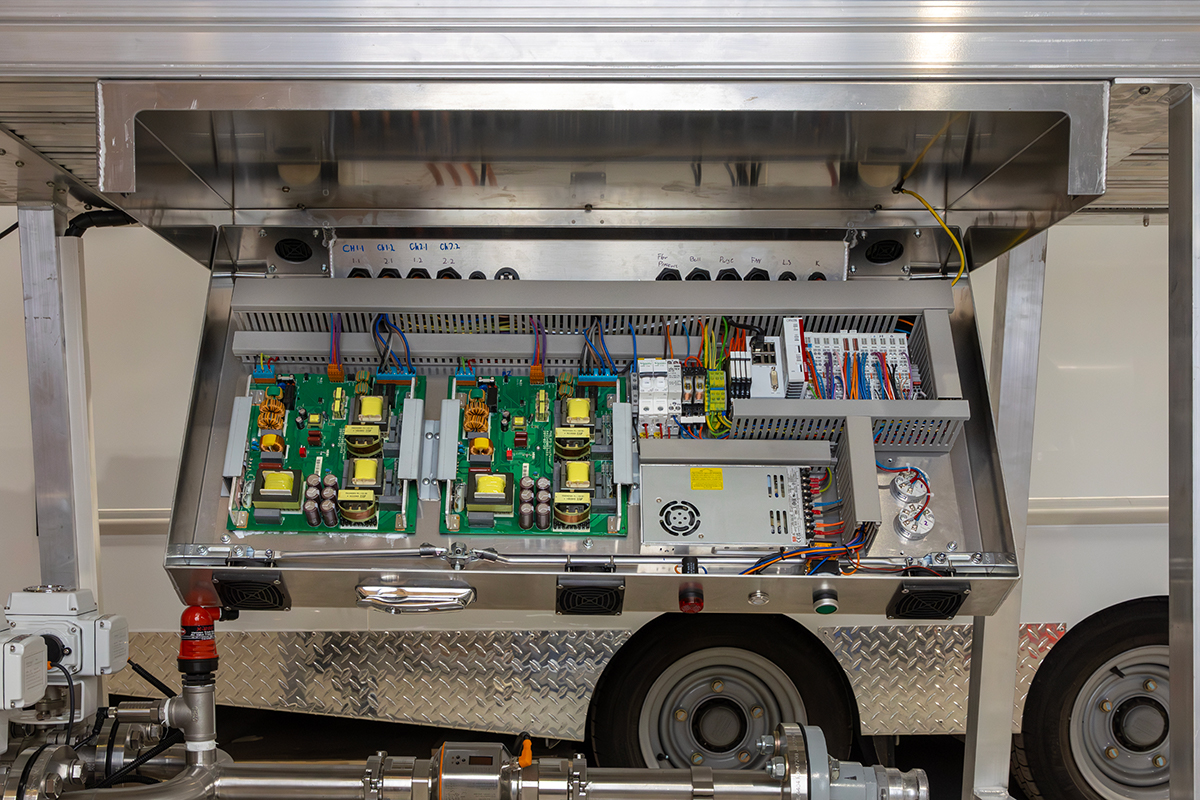
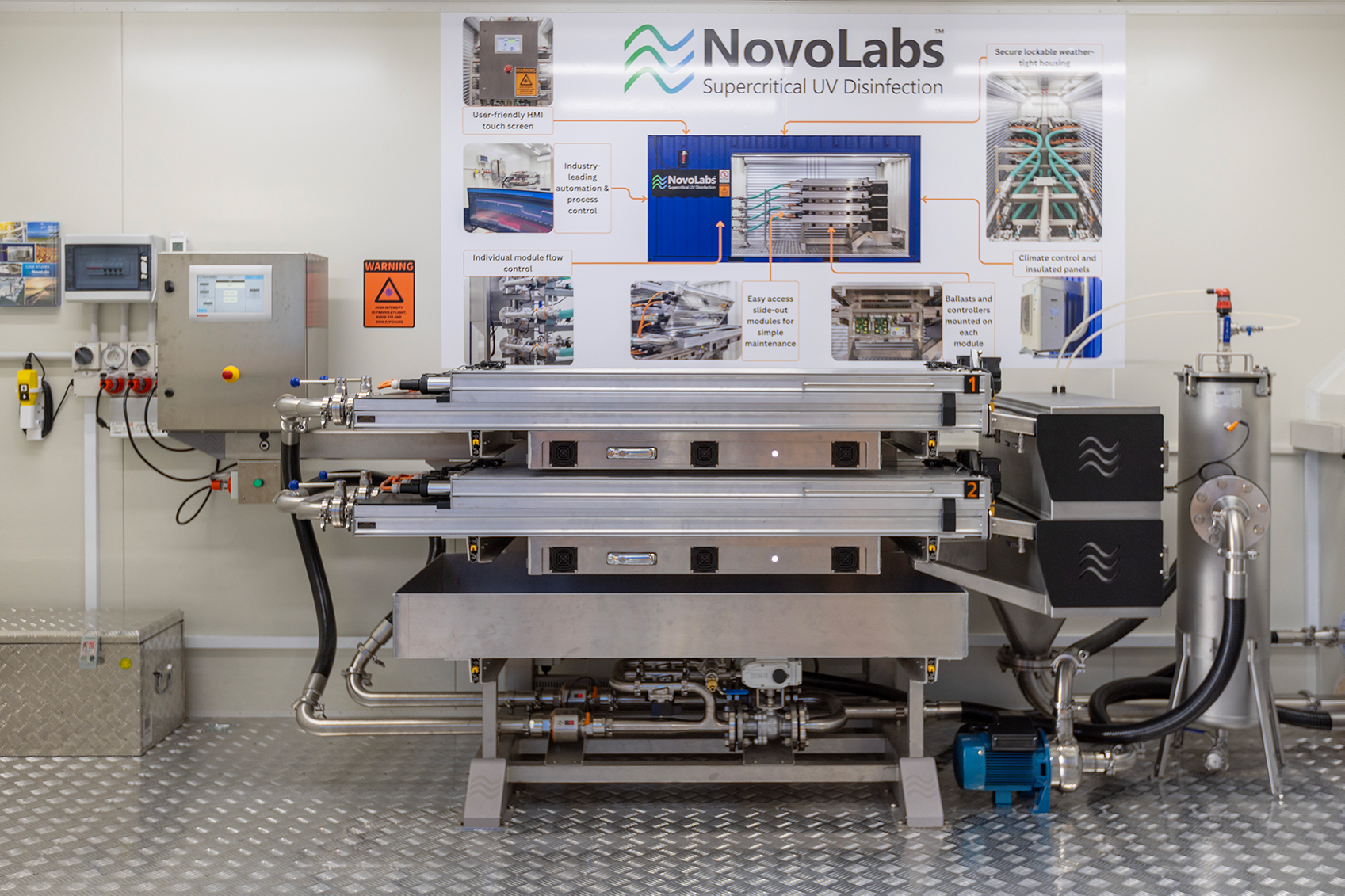
Supercritical UV™ works on both. Instead of submerging lamps and hoping light reaches the middle, it runs the liquid as a thin, fast sheet under the lamps, so every part of the flow gets the same dose. That holds up at UVT below 1%, where conventional systems can't get light more than a few millimetres in.
On the effluent side, that means meeting tightening waste limits without dosing chlorine on a food site. On the process side, it means microbial control without heat, no thermal load on the product, no colour or flavour damage, and a fraction of the energy of pasteurisation.