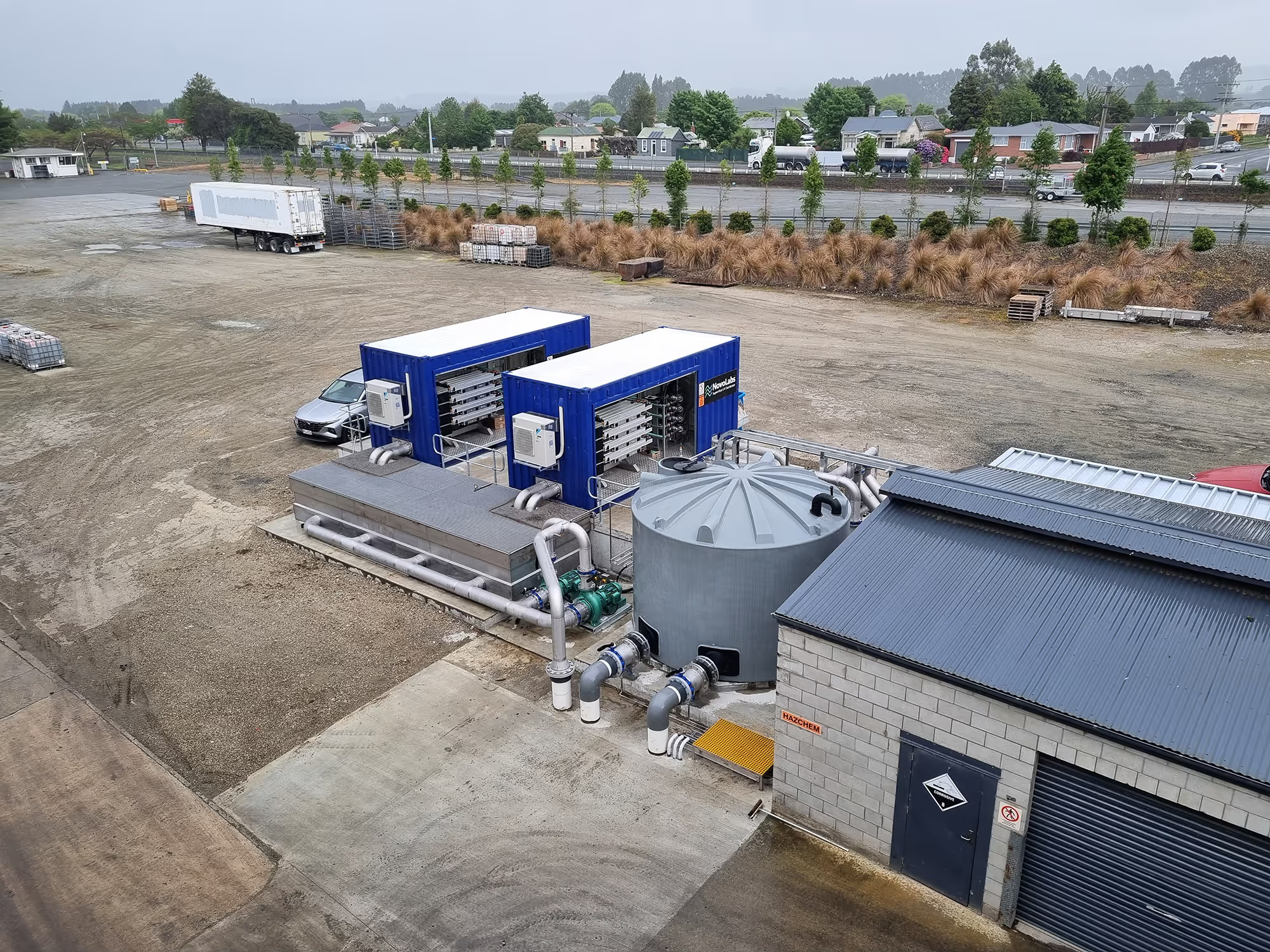
Meat processing produces some of the most difficult wastewater there is to disinfect. Blood, fat, protein, paunch solids and colour combine to stop ultraviolet light almost immediately, and unlike most industries, the load changes hour to hour and season to season.
Conventional ultraviolet disinfection was never designed for it. Submerged-lamp systems rely on light travelling outward through the liquid to reach the organisms, which means they need reasonably clear water to function. In meat plant effluent, even after dissolved air flotation, that light is absorbed within a few millimetres. It's why most processors were told years ago that ultraviolet wasn't an option, and why the conversation defaulted to chlorine, or to a pond and a long-run consent problem.
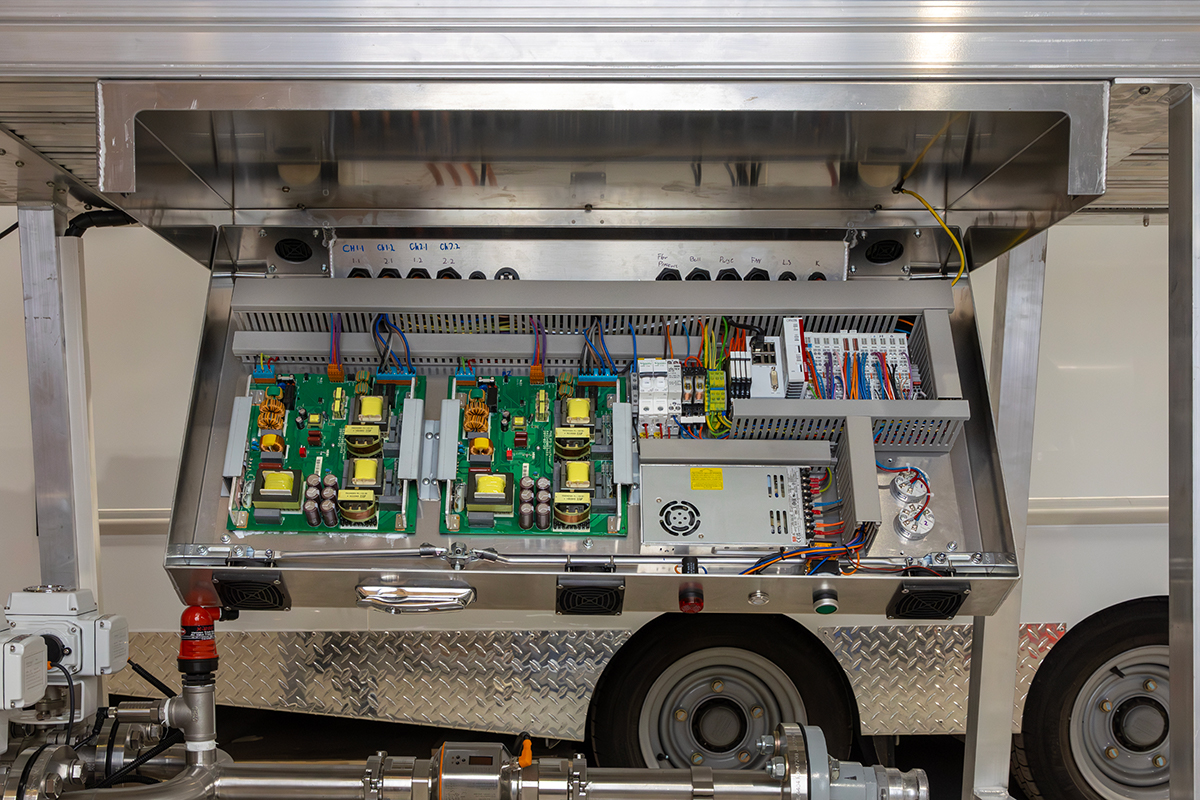
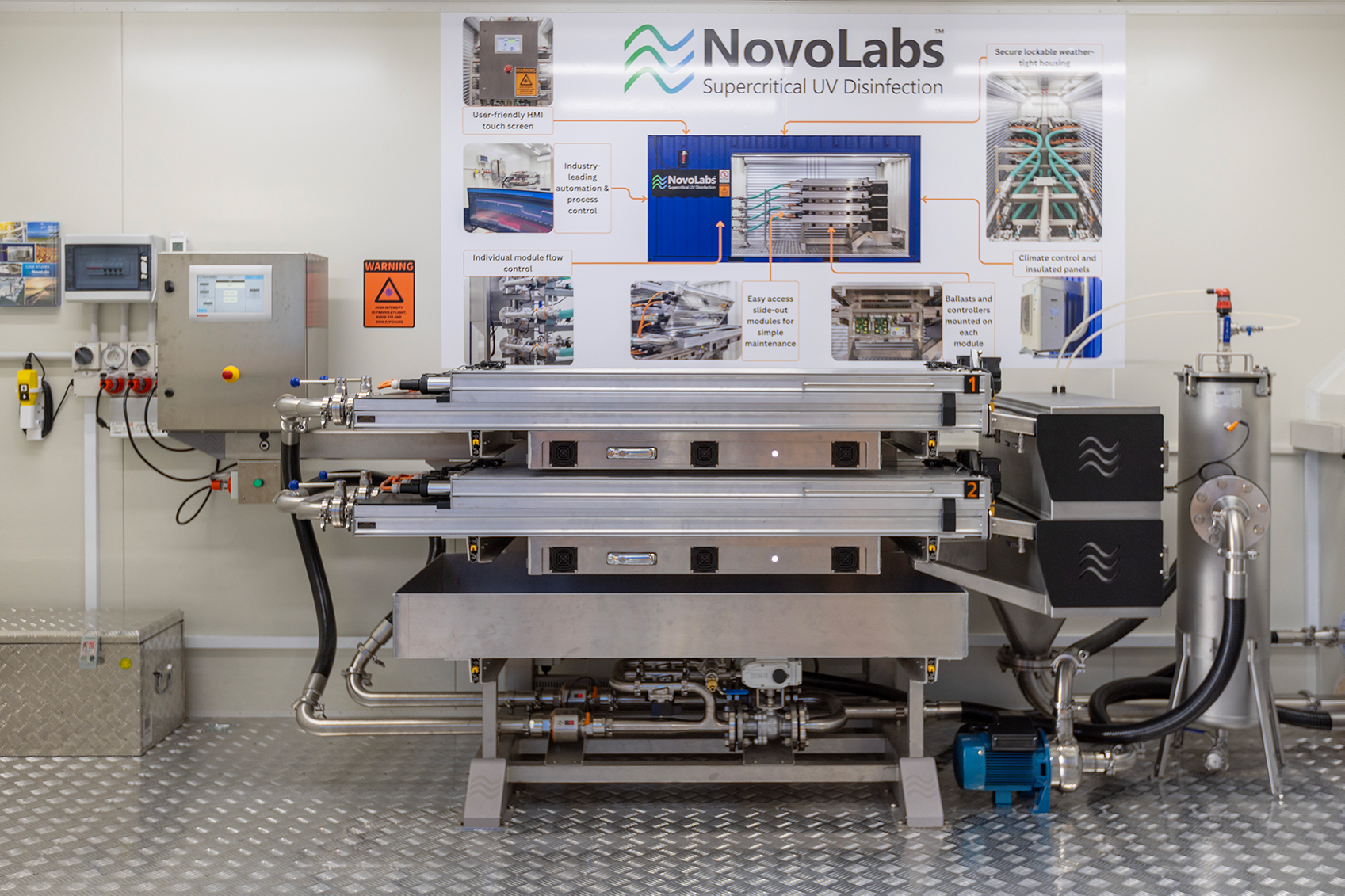
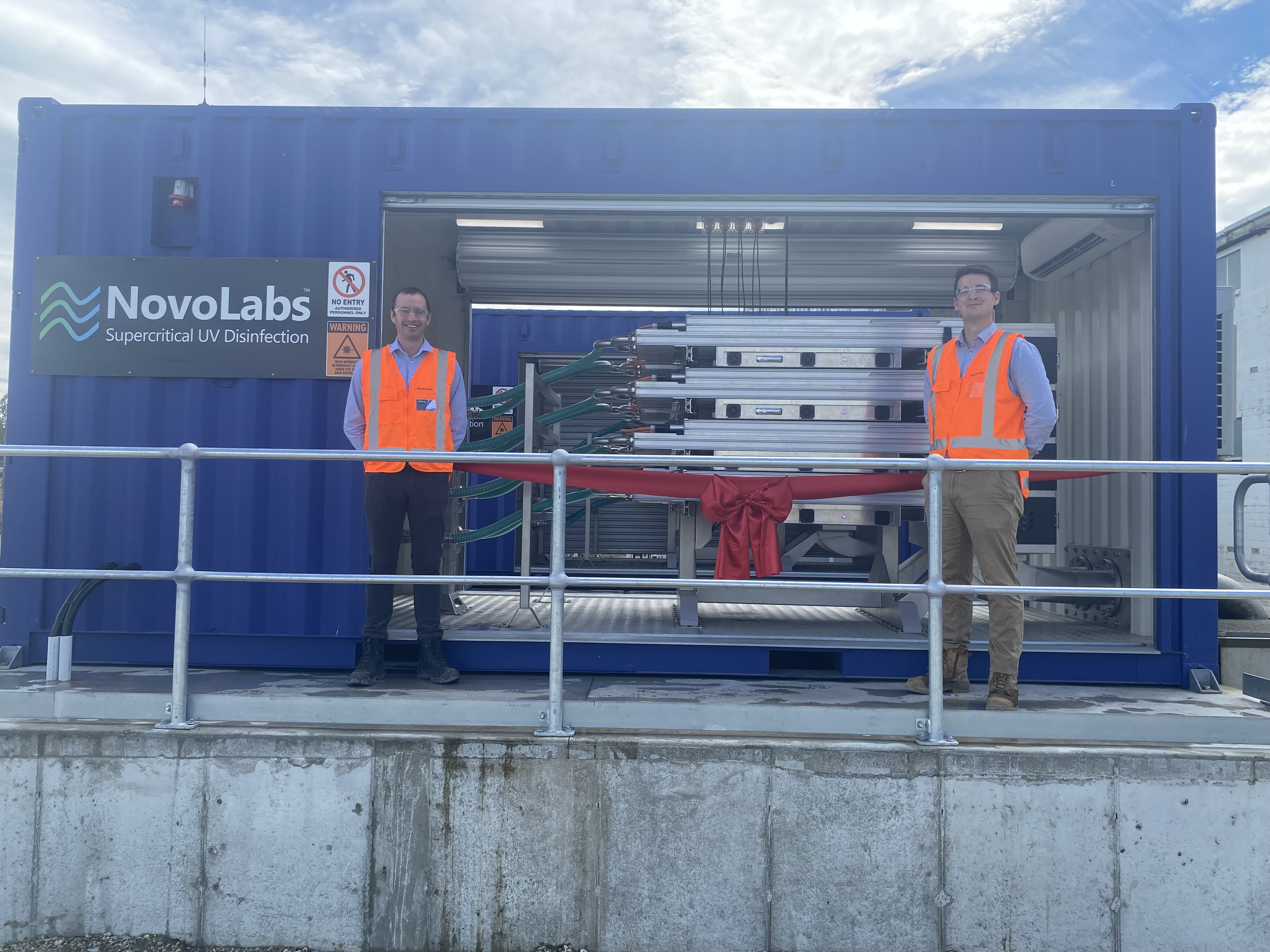
Supercritical UV™ takes the opposite approach. Instead of submerging lamps and hoping light reaches the middle of the flow, the effluent is passed as a thin, very fast-moving sheet through a highly reflective open channel, lit from above. Nothing in the flow sits more than a few millimetres from the lamp, so the dose delivered no longer depends on how much light the liquid transmits.
That single change moves ultraviolet from unusable to viable on liquids that have never been treatable by ultraviolet before.