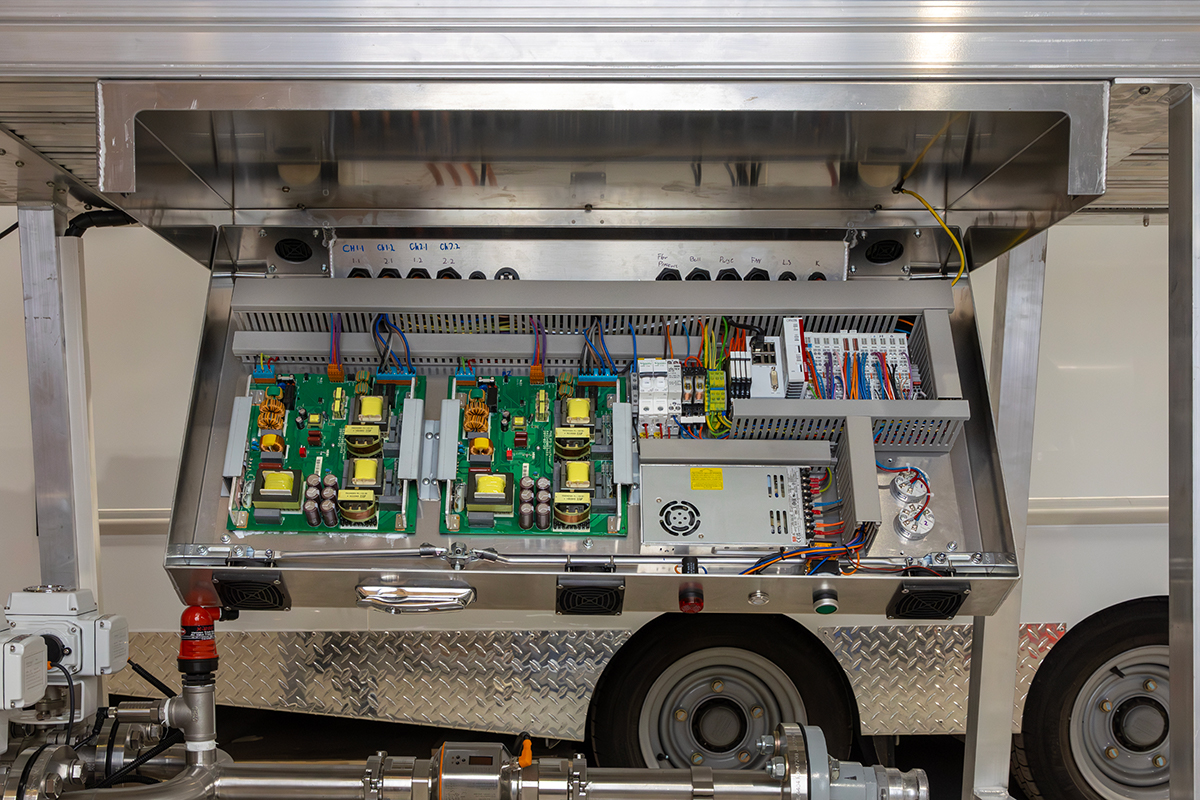
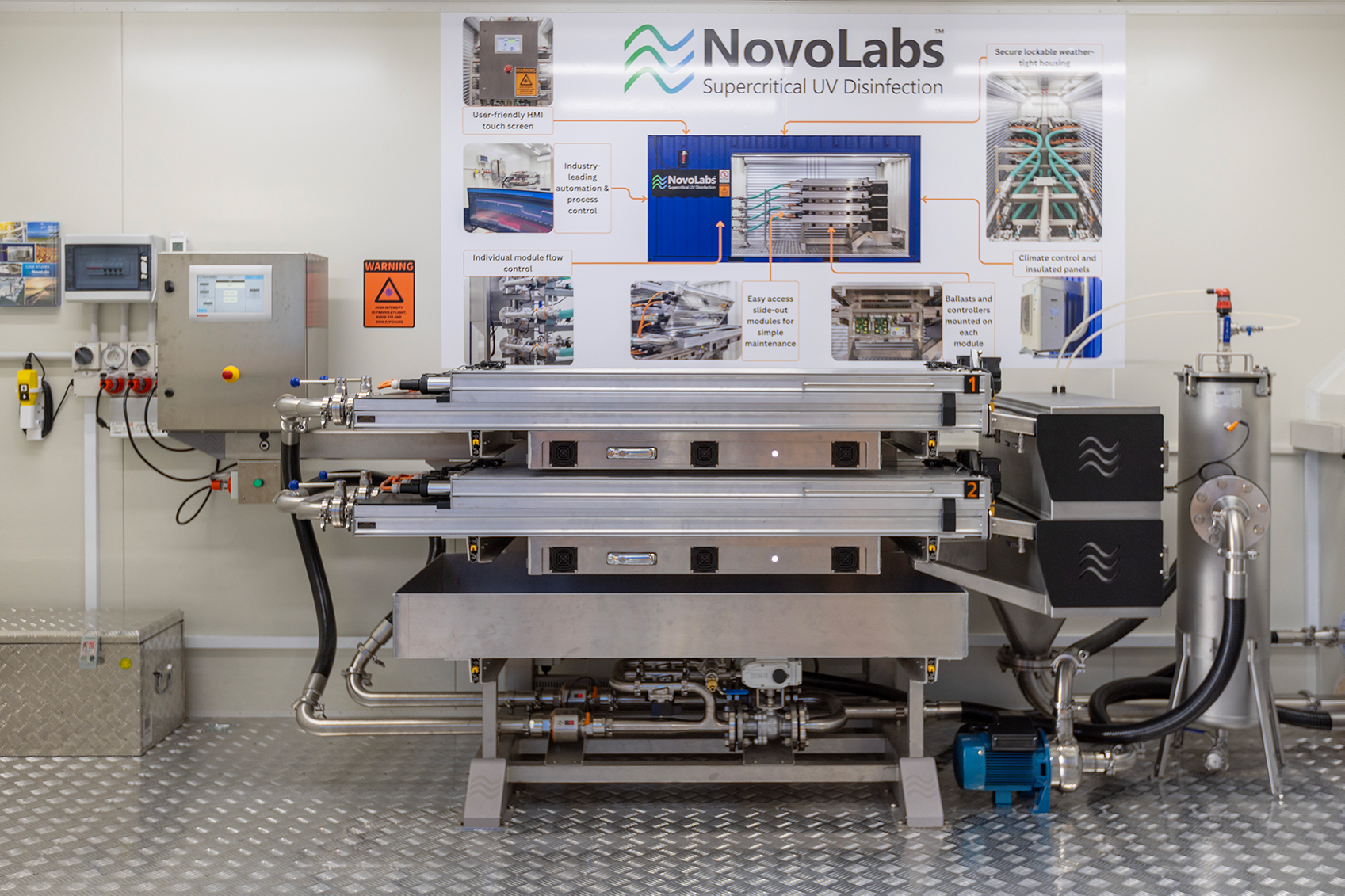
At the Ahipara Wastewater Treatment Plant, a single-module SCUV™ disinfection system delivered a median 3 log reduction in E. coli from algae-laden pond effluent, exceeding the 2 log consent target.
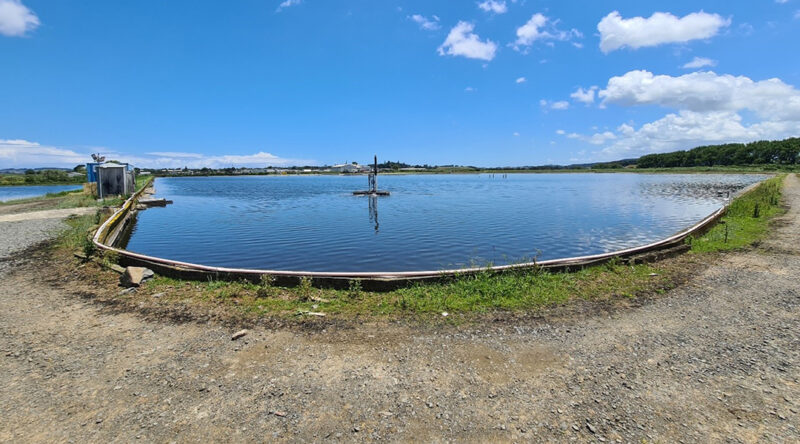
Far North District Council (FNDC) operates the Ahipara Wastewater Treatment Plant, a pond-based system serving a small coastal township of around 1,500 people, that rises to ~2,500 during peak summer season. The plant treats municipal wastewater through a screening stage, oxidation pond, and constructed wetland before discharge to the Wairoa Stream wetland.
Ahipara sits within the rohe of Te Rarawa iwi. The Wairoa Stream holds deep cultural significance for local hapū, who hold mana whenua and mana moana over the Ahipara area. Water quality in the stream goes beyond a regulatory matter, it is directly connected to the identity, values, and kaitiakitanga responsibilities of Ngā Marae o Ahipara.
With effluent UVT consistently ranging from 3 to 7%, the plant had difficulty meeting the faecal coliform consent limits. Independent assessments concluded that conventional UV disinfection would not achieve compliance without a costly solids removal process upstream and this option was ruled out on cost and footprint grounds.
Conventional UV systems typically require an average TSS below 20 mg/L to operate effectively. Ahipara's pond effluent averaged 71 mg/L TSS, with a range of 30 to 143 mg/L which sat well outside the operating envelope of any submerged lamp system. Like many pond-based systems, algae was a significant contributing factor to the TSS load.
NovoLabs™ were engaged to supply and install a one module SCUV™ system that operated with split channels. This allowed the single module to handle both low-season flows (1.7 L/s) and peak summer demand (max. 6.7 L/s) with both channels operating simultaneously during high-flow periods.
The system was installed on the bank of the Ahipara treatment pond, commissioned in August 2024, and celebrated with the local community and stakeholders in October 2024.
Over 187 days of initial operation the SCUV™ system consistently achieved E. coli levels below consent limits, delivering a median 3 LRV and exceeding the specified 2 LRV target. On the first day of commissioning, with TSS of 179 mg/L and UVT of just 6.9%, a 3.3 LRV was achieved.
The system treated effluent with UVT as low as 2.8% and TSS up to 252 mg/L, conditions that sit well outside the operating range of any conventional submerged lamp system.
"This approach provided an innovative solution to resolve an ongoing noncompliance and led to significant capital and operational cost savings for FNDC. The Ahipara installation demonstrates that SCUV™ could be a relatively simple addition to provide disinfection treatment on many similar pond-based WWTPs across Aotearoa." (Jolanta Gussenhoven, Beca)