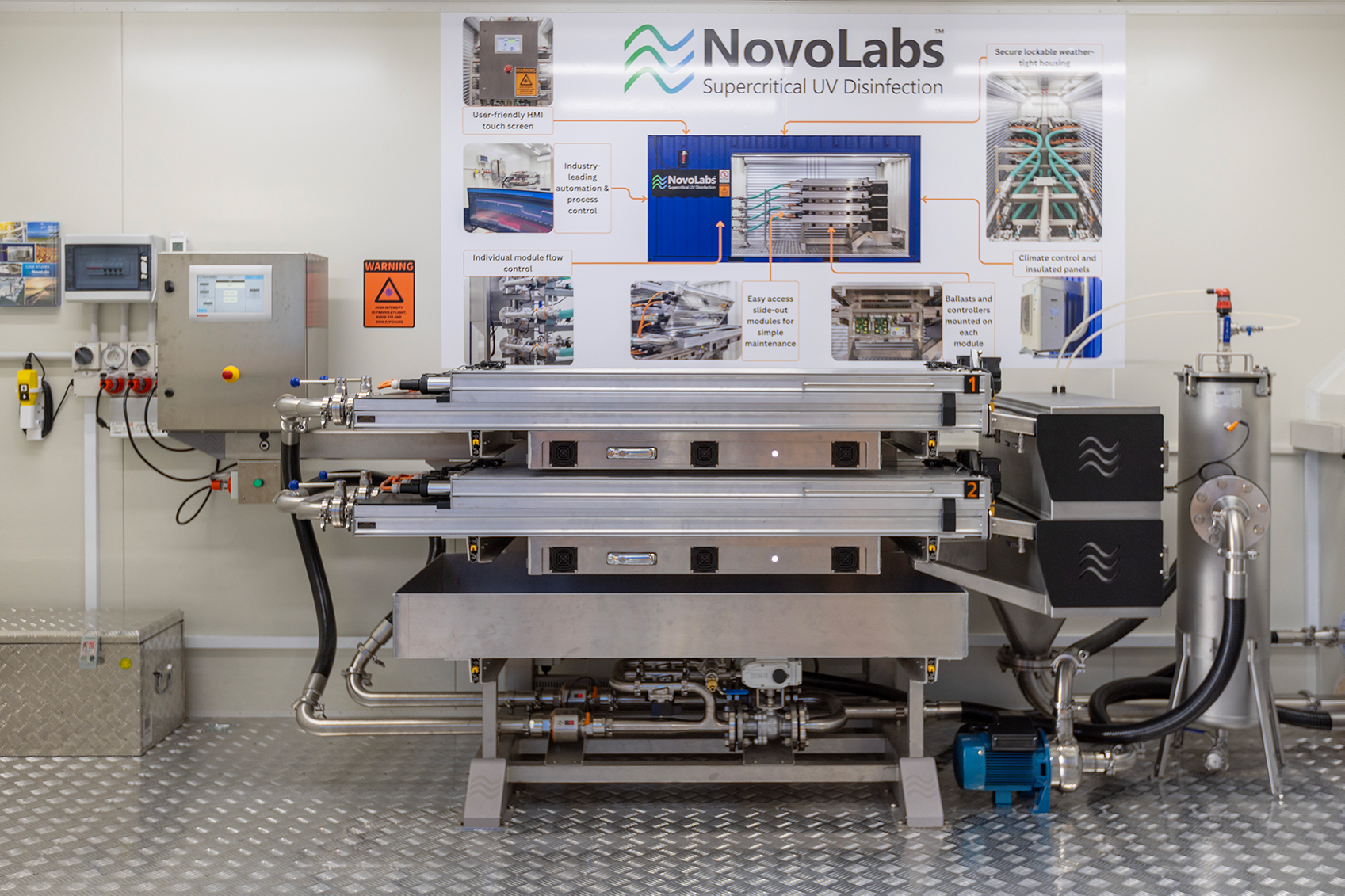
Across two waste stabilisation pond trials, the Supercritical UV™ disinfection system reduced bacteriophage, the standard viral indicator organism, to below the 10 pfu/L detection limit.

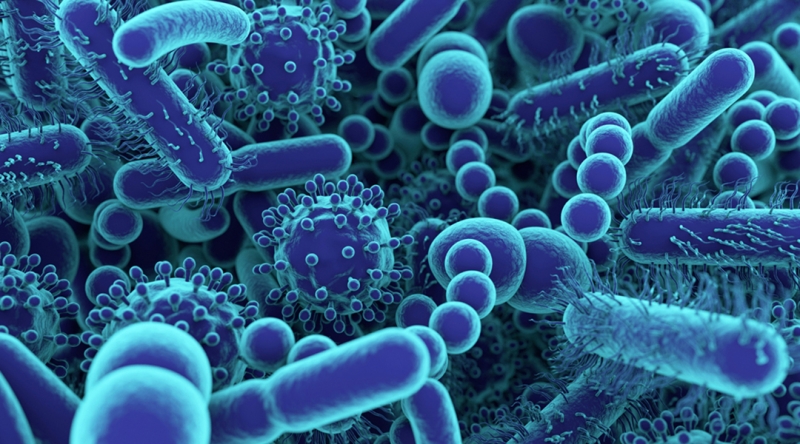
Viruses in wastewater can pose significant risks to human health if not appropriately treated before being released into the environment. The effectiveness of an ultraviolet disinfection system to deactivate a virus depends on the virus type. This effectiveness is typically measured by the ultraviolet dose, where the higher the ultraviolet dose the more difficult the virus is to treat. For example, as shown in the graphic, influenza requires a low ultraviolet dose and is relatively easy to disinfect, while adenovirus requires a much higher dose and is harder to disinfect.
Due to its difficulty to treat and its ability to be cultured in the laboratory, bacteriophages are routinely used in wastewater effluents as a viral indicator organism. As such, bacteriophage has been used to demonstrate the viral disinfection capability of NovoLabs™ Supercritical UV™ disinfection systems.
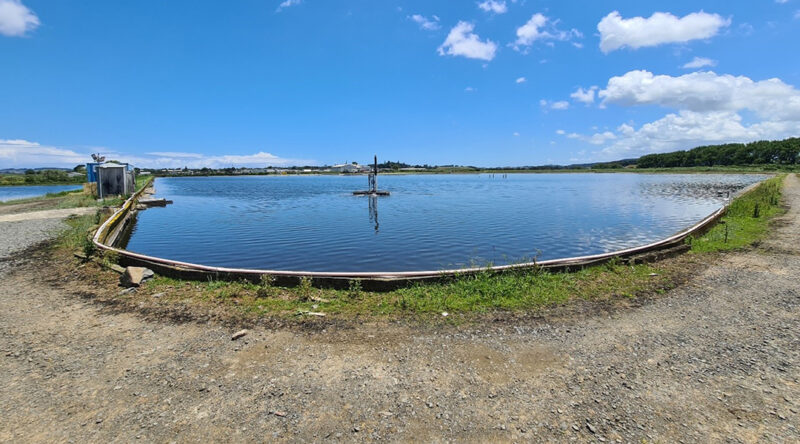
A large multi-pond waste stabilisation system exhibited the following wastewater characteristics: an ultraviolet transmittance (UVT) of 47.8%, total suspended solids (TSS) of 12.8 g/m³, and a bacteriophage concentration before ultraviolet treatment averaging 1,061 pfu/L.
After treatment by a Supercritical UV™ disinfection system, only 1 sample had a detectable bacteriophage concentration of just 16 pfu/L. The NovoLabs™ Supercritical UV™ disinfection system reduced the bacteriophage concentration in every other sample to below the detection limit of 10 pfu/L.
A single waste stabilisation pond with a dividing baffle had the following wastewater characteristics: a UVT of 54%, TSS of 4 g/m³, and a bacteriophage concentration before ultraviolet treatment averaging 53,600 pfu/L.
The bacteriophage were reduced by an average of 3 log across all ultraviolet doses tested. The highest bacteriophage concentration after Supercritical UV™ disinfection was 340 pfu/L which occurred when the inlet concentration reached a peak of 140,000 pfu/L. At the Supercritical UV™ disinfection system's highest ultraviolet dose, every single bacteriophage sample was reduced to below the detection limit of 10 pfu/L in all 5 days of testing.
Viral disinfection is one of the most demanding tests of any UV systems due to their size, difficulty to inactivate and required UV dose. The results across both of these trials demonstrate that the Supercritical UV™ system delivers the UV dose required to reduce viral indicators to below detection limits, even in variable real world conditions.