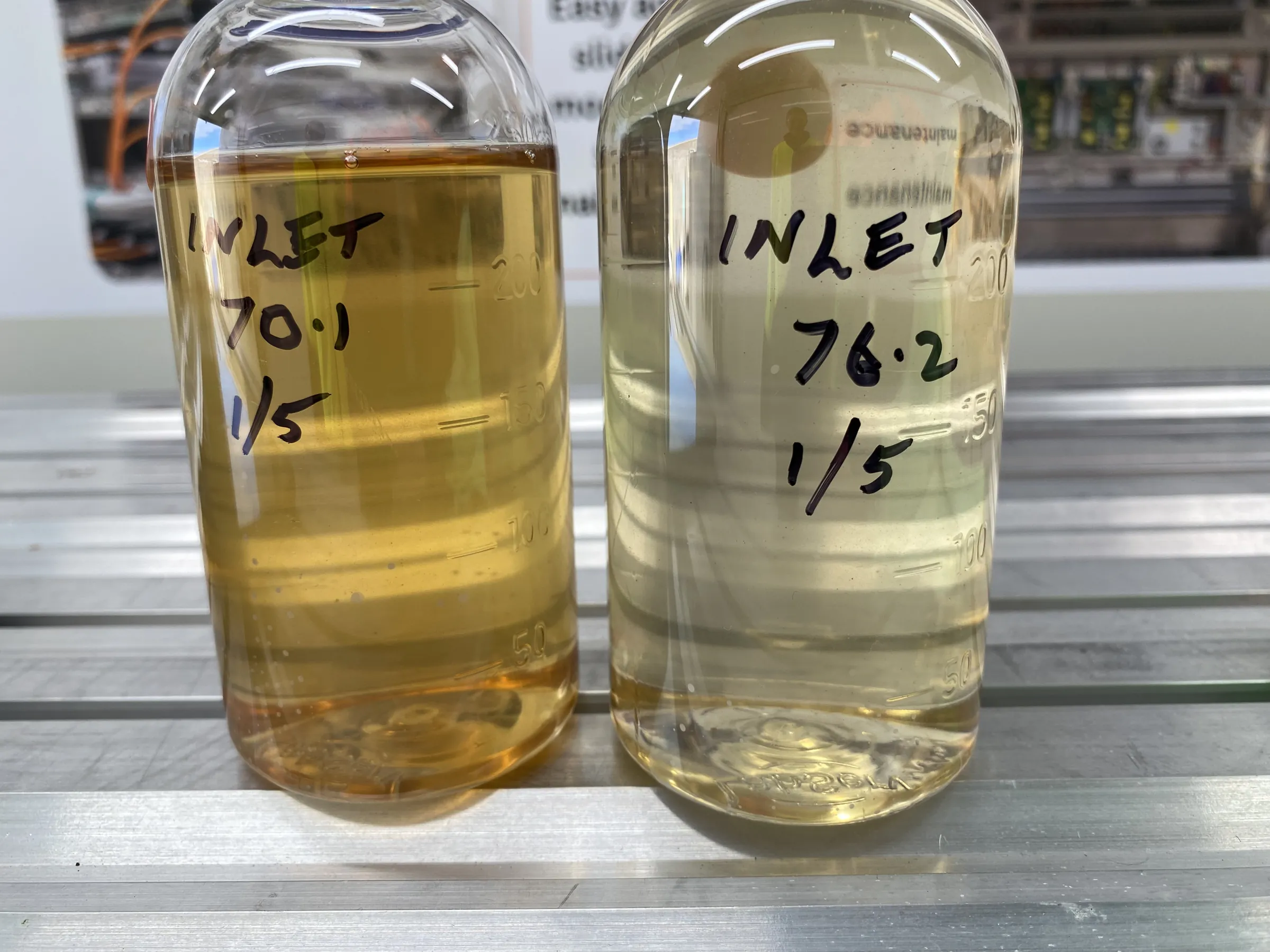
At 2.3% UVT, E. coli fell from a median of 13,263 to 9 per 100 mL with no colour removal. Tannins, humics and other dissolved colour block ultraviolet light and pass straight through filters. A thin flow disinfects straight through the colour.
Solids can be filtered out. Dissolved colour can't. To tell which you have, measure UVT on a sample before and after filtering it. If it barely changes, the problem is colour.
Conventional ultraviolet then needs colour removal first, with coagulants, carbon or membranes, and the cost and sludge that come with them.
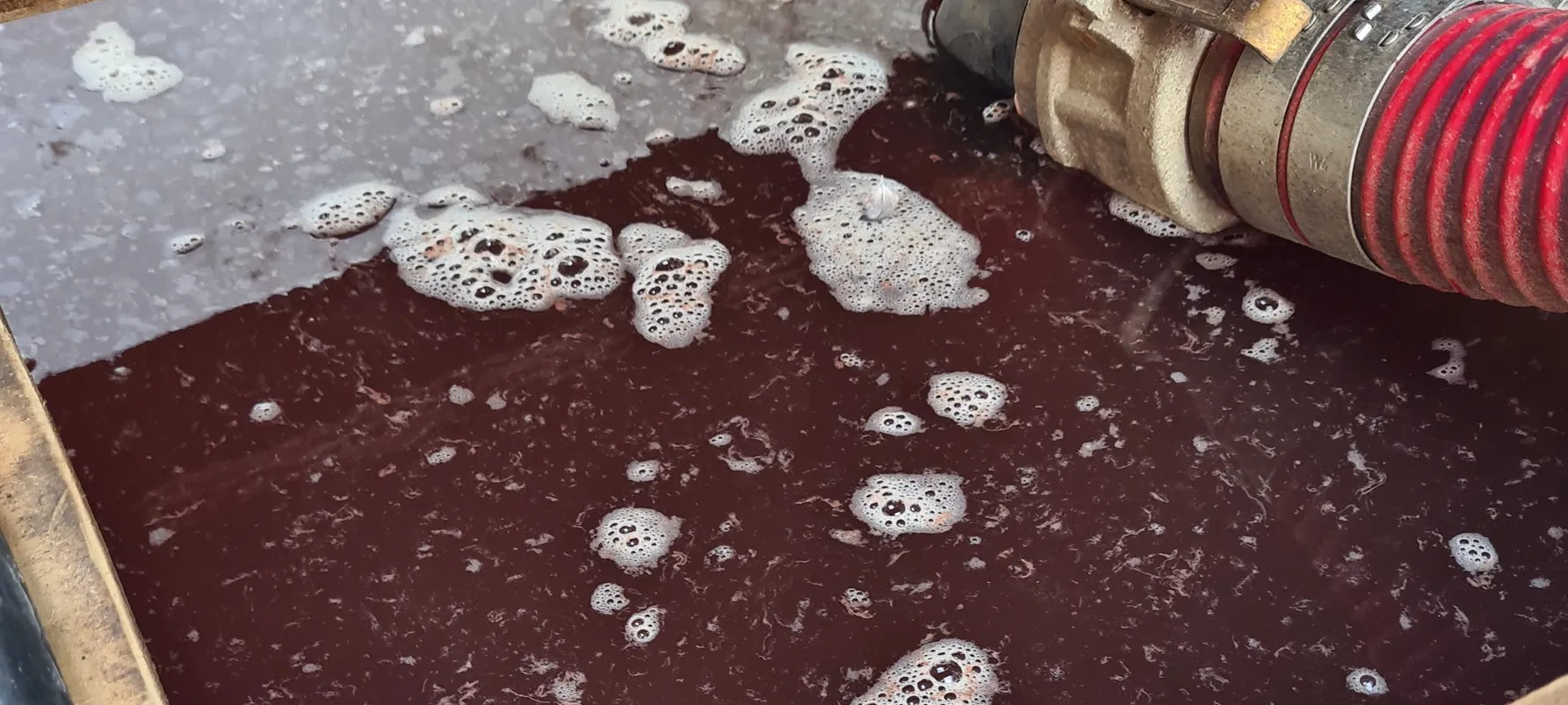
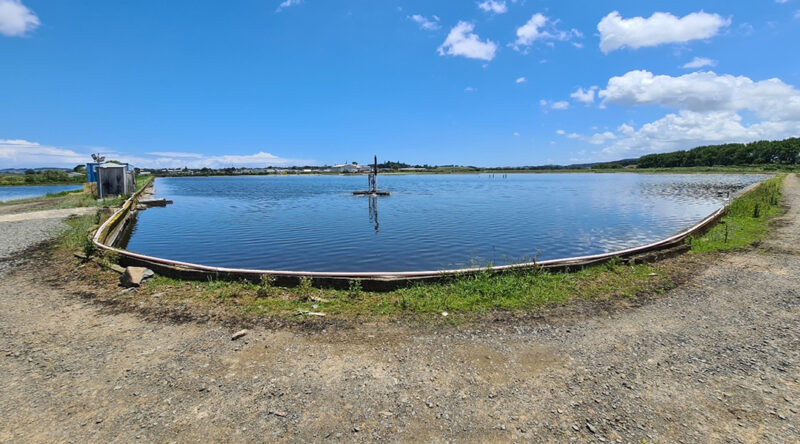
A coastal plant, Victoria. A trade waste deeply coloured by tannins ran at 2.3% UVT, and colour removal had been costed at over $5 million. Over three and a half weeks of sampling, E. coli fell from a median of 13,263 to 9 per 100 mL. A full system would cost about 5% of the colour removal option.
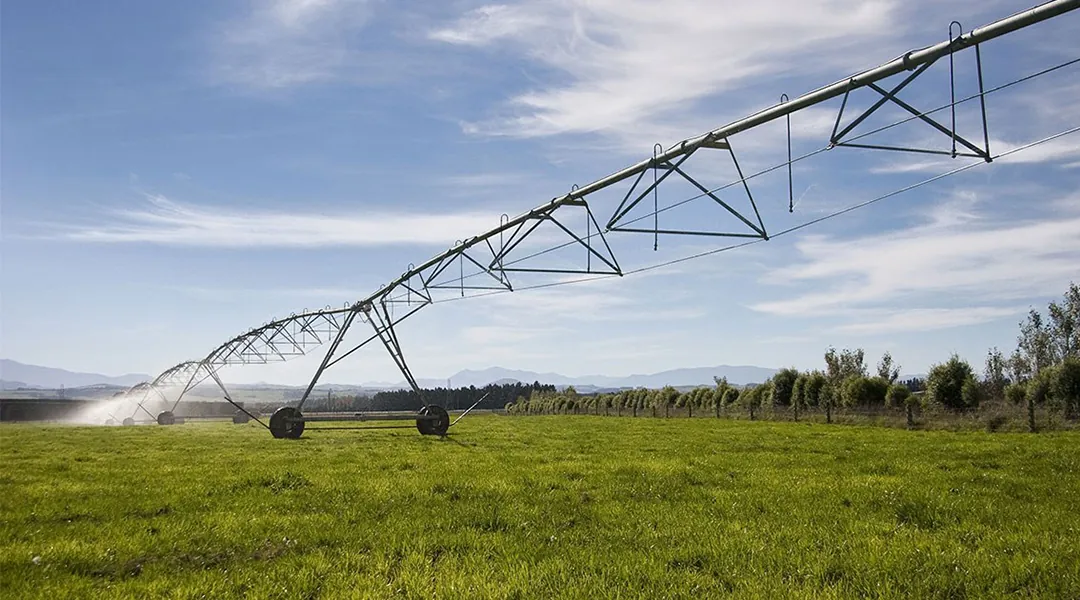
A council plant. This plant doses alum all year so its existing ultraviolet system can work. In sampling over December and January with no dosing at all, our system met the irrigation limit of 1,000 E. coli per 100 mL, even at 12% UVT. The council's engineer estimated that would save about $1,600 a day in chemicals while irrigating. Read the full case study
A fruit and vegetable processor. The wastewater changes with each crop and runs below 1% UVT, sometimes about 0.1%. Alum and ferric were ruled out because the solids are composted. Sampled across a full year of crops, enterococci fell by an average of 4.4 log. Read the full case study
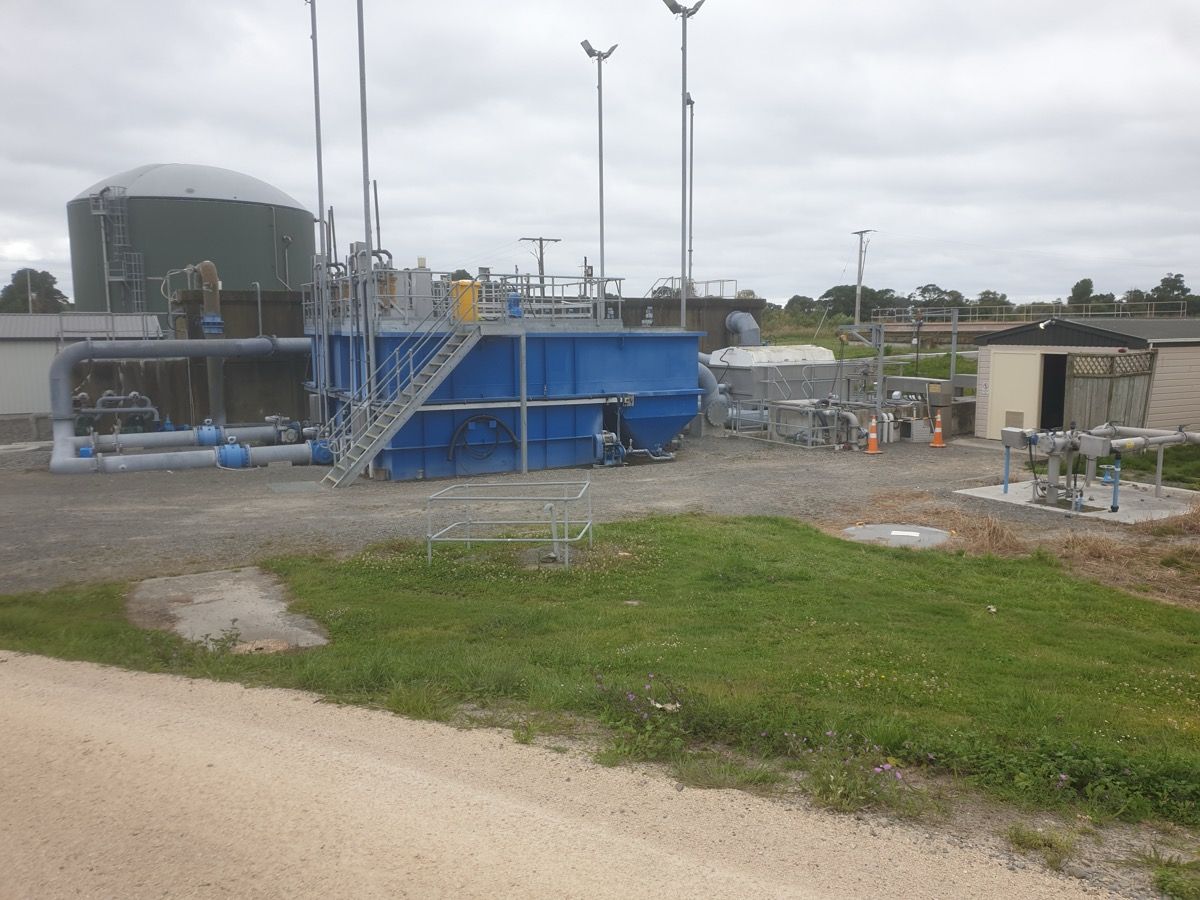
A meat plant, North Island. After DAF, UVT stayed no higher than 0.3% across two weeks of sampling. With solids held at consent levels, enterococci fell from an average of 295,589 to 253 per 100 mL, under the 800 limit. Read the full case study
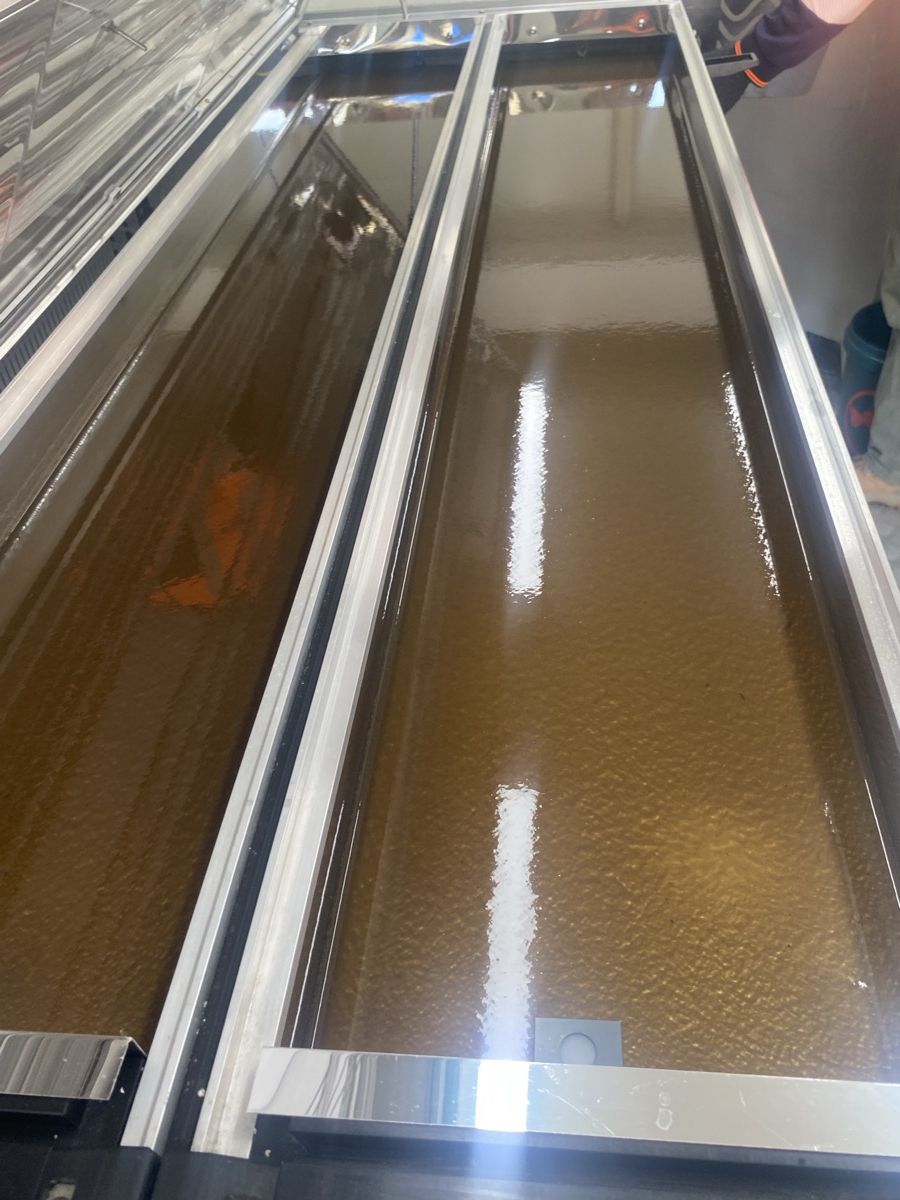
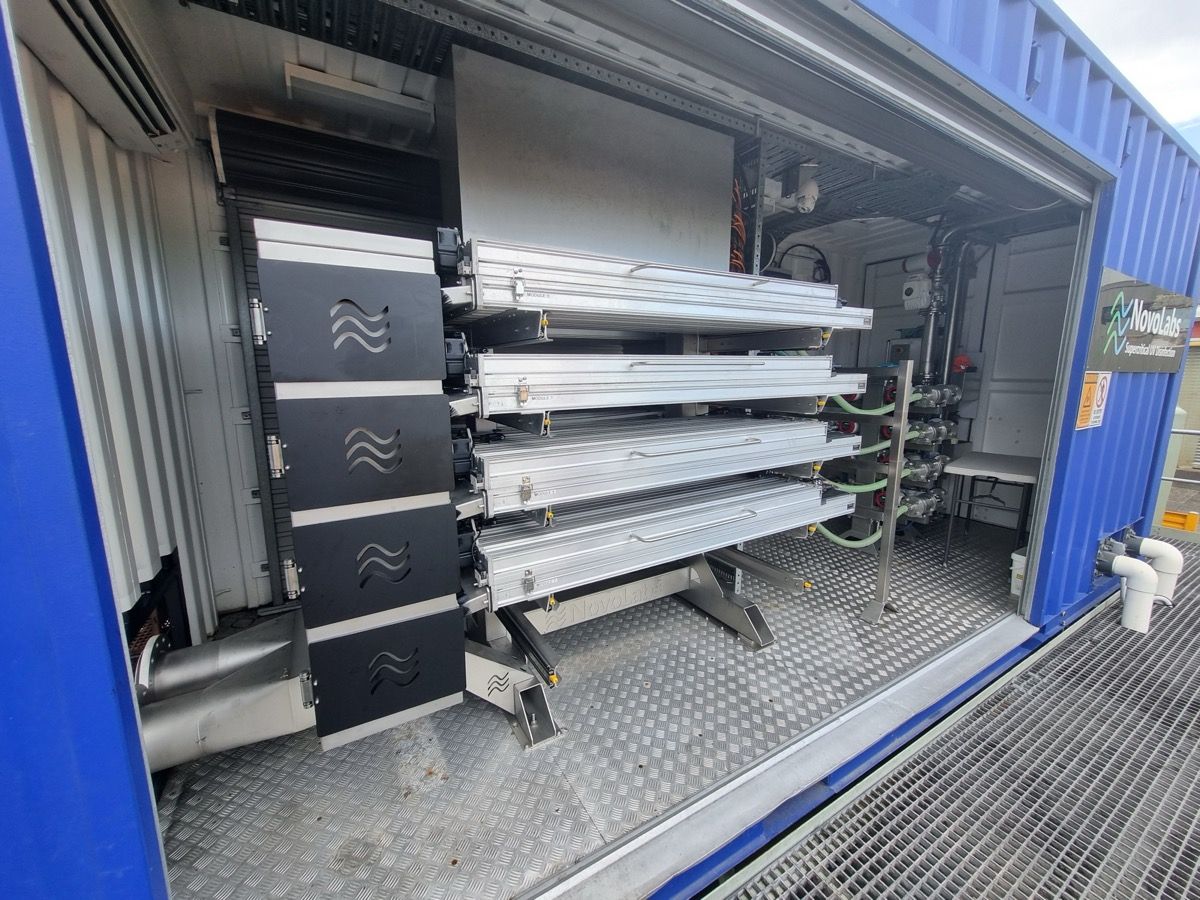
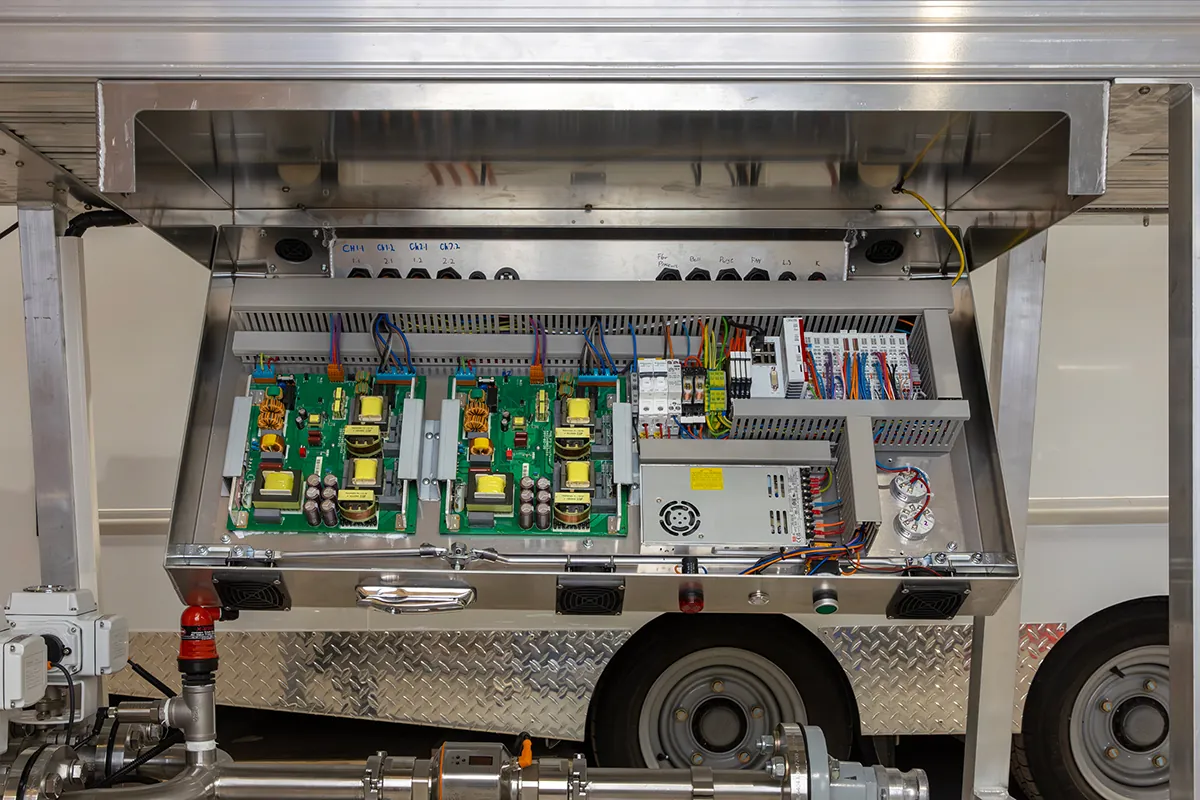
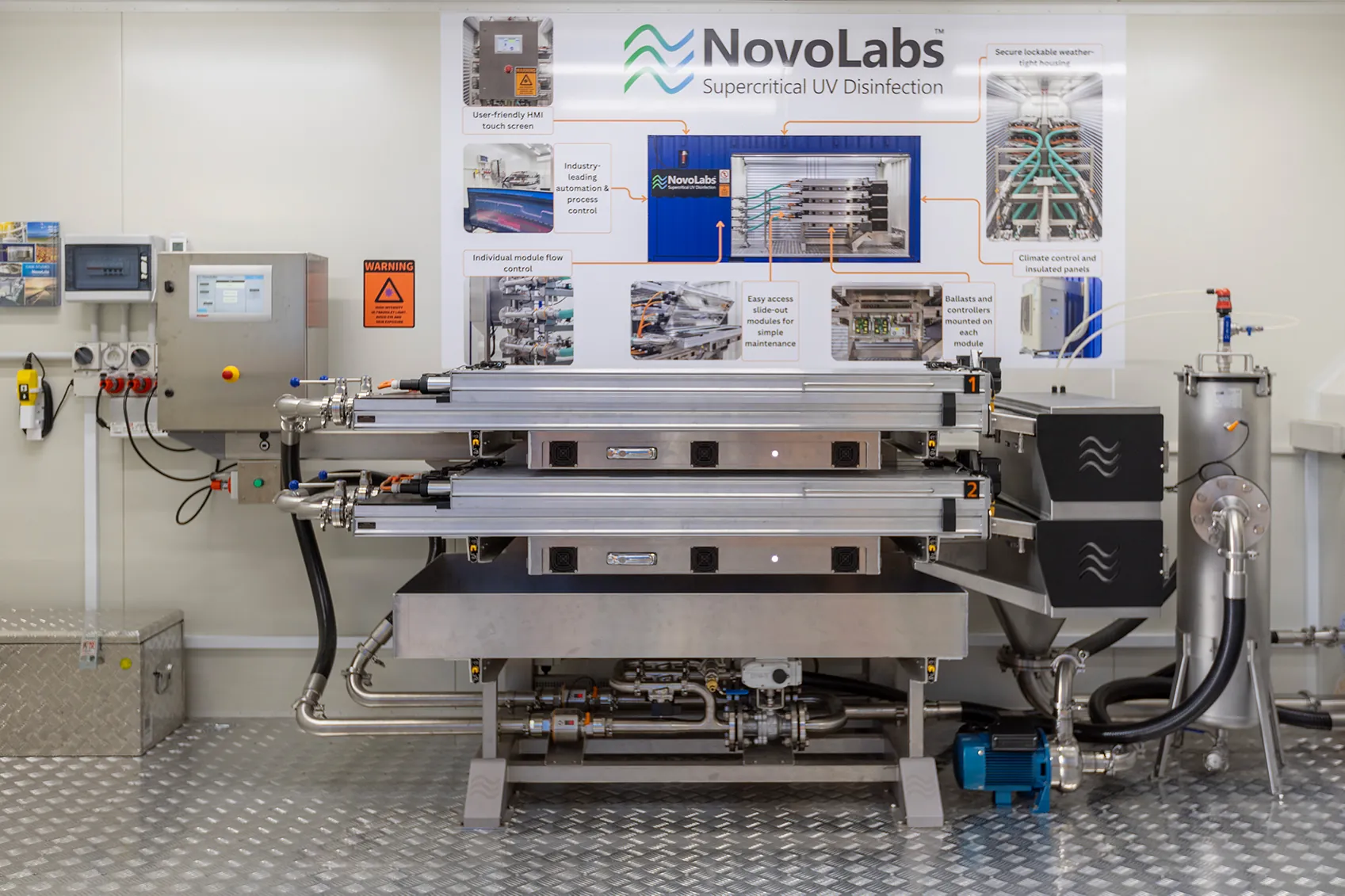
The liquid runs a few millimetres deep beneath lamps mounted above it. At 2.3% UVT, nearly half of the light still reaches through a 2 mm layer, so the dose holds up even when the colour can't be removed.
Why can't a filter fix coloured water?
Because the colour is dissolved. Filters only remove particles.
Do we need colour removal before disinfection?
Not to disinfect. Your consent may still limit colour for other reasons.
What about iron?
Iron absorbs ultraviolet light and coats the sleeves of submerged lamps. Our lamps sit above the flow, so there's nothing for it to coat. We already treat plenty of iron-rich wastewater at meat processing plants.
How do we find out if it works on our liquid?
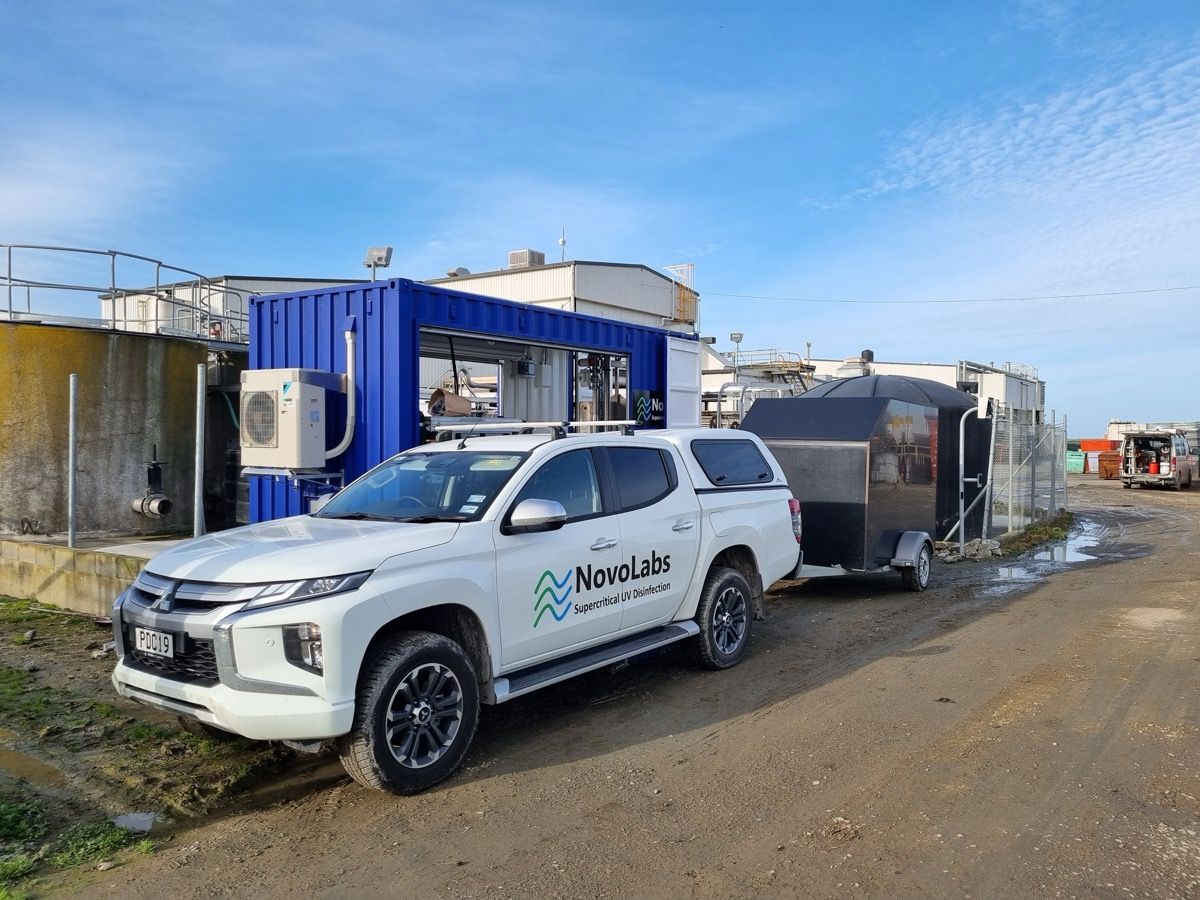
Send us your UVT, solids, flow and limits, and we'll tell you what to expect. For very challenging cases, we can bring a mobile test unit to your site and test it against your limits with an independent laboratory.
Tell us about your liquid and your limits, and we'll tell you if a trial makes sense.
Talk to an expertAt 2.3% UVT, E. coli fell from a median of 13,263 to 9 per 100 mL with no colour removal. Tannins, humics and other dissolved colour block ultraviolet light and pass straight through filters. A thin flow disinfects straight through the colour.

Solids can be filtered out. Dissolved colour can't. To tell which you have, measure UVT on a sample before and after filtering it. If it barely changes, the problem is colour.
Conventional ultraviolet then needs colour removal first, with coagulants, carbon or membranes, and the cost and sludge that come with them.
A coastal plant, Victoria. A trade waste deeply coloured by tannins ran at 2.3% UVT, and colour removal had been costed at over $5 million. Over three and a half weeks of sampling, E. coli fell from a median of 13,263 to 9 per 100 mL. A full system would cost about 5% of the colour removal option.
A council plant. This plant doses alum all year so its existing ultraviolet system can work. In sampling over December and January with no dosing at all, our system met the irrigation limit of 1,000 E. coli per 100 mL, even at 12% UVT. The council's engineer estimated that would save about $1,600 a day in chemicals while irrigating. Read the full case study
A fruit and vegetable processor. The wastewater changes with each crop and runs below 1% UVT, sometimes about 0.1%. Alum and ferric were ruled out because the solids are composted. Sampled across a full year of crops, enterococci fell by an average of 4.4 log. Read the full case study
A meat plant, North Island. After DAF, UVT stayed no higher than 0.3% across two weeks of sampling. With solids held at consent levels, enterococci fell from an average of 295,589 to 253 per 100 mL, under the 800 limit. Read the full case study
The liquid runs a few millimetres deep beneath lamps mounted above it. At 2.3% UVT, nearly half of the light still reaches through a 2 mm layer, so the dose holds up even when the colour can't be removed.
Why can't a filter fix coloured water?
Because the colour is dissolved. Filters only remove particles.
Do we need colour removal before disinfection?
Not to disinfect. Your consent may still limit colour for other reasons.
What about iron?
Iron absorbs ultraviolet light and coats the sleeves of submerged lamps. Our lamps sit above the flow, so there's nothing for it to coat. We already treat plenty of iron-rich wastewater at meat processing plants.
How do we find out if it works on our liquid?
Send us your UVT, solids, flow and limits, and we'll tell you what to expect. For very challenging cases, we can bring a mobile test unit to your site and test it against your limits with an independent laboratory.